The short version: Heat and humidity push your heart rate up at any given pace. A Texas runner holding a zone 2 heart rate in September will run noticeably slower than in December, and that is normal. Most heat adaptation happens in the first week of regular heat exposure. And a 2025 research review found that zone 2 is not the magic intensity social media makes it out to be. Easy running still matters, but so does some harder work.
Why heat slows your “easy” pace
On a hot, humid morning your body has two jobs: power your legs and get rid of heat. Blood that goes to the skin to cool you is blood your working muscles don’t get. So your heart beats faster to keep up. The international consensus statement on training in the heat, led by Sébastien Racinais, puts it plainly: athletes in hot conditions perform “at a lower work rate than in temperate environments.”
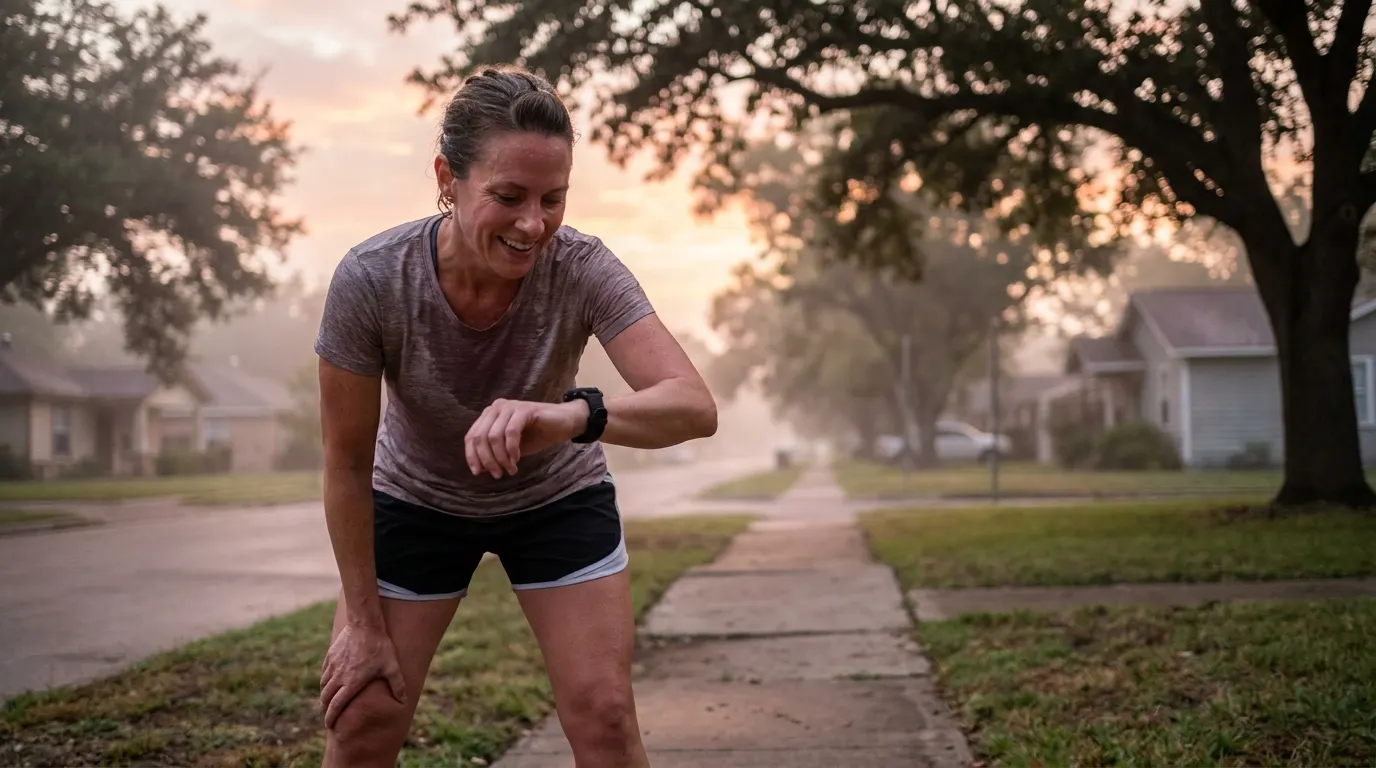
In practice, if your watch tells you to stay in zone 2 on a humid Houston or Austin morning, you may have to slow to a shuffle, and on hilly routes you may have to walk. That doesn’t mean you’ve lost fitness. It is the heat cost showing up on your heart-rate monitor.
What acclimatization does, and how long it takes
From the Racinais consensus recommendations:
- Timeline: most adaptations, including lower heart rate, lower skin and core temperature and more sweating, develop within the first week. Near-complete cardiovascular and sweating adaptation takes 6 to 10 days, and about two weeks optimizes aerobic performance.
- Dose: sessions of at least 60 minutes a day that actually raise body temperature.
- Staying adapted: the benefits can be maintained for 2 to 4 weeks, and re-acclimatizing is faster than the first time.
- Fluids: the statement suggests drinking about 6 mL per kg of body weight every 2–3 hours before exercise, keeping body-water losses small during it (without gaining weight), and replacing 100–120% of the weight you lost afterward.
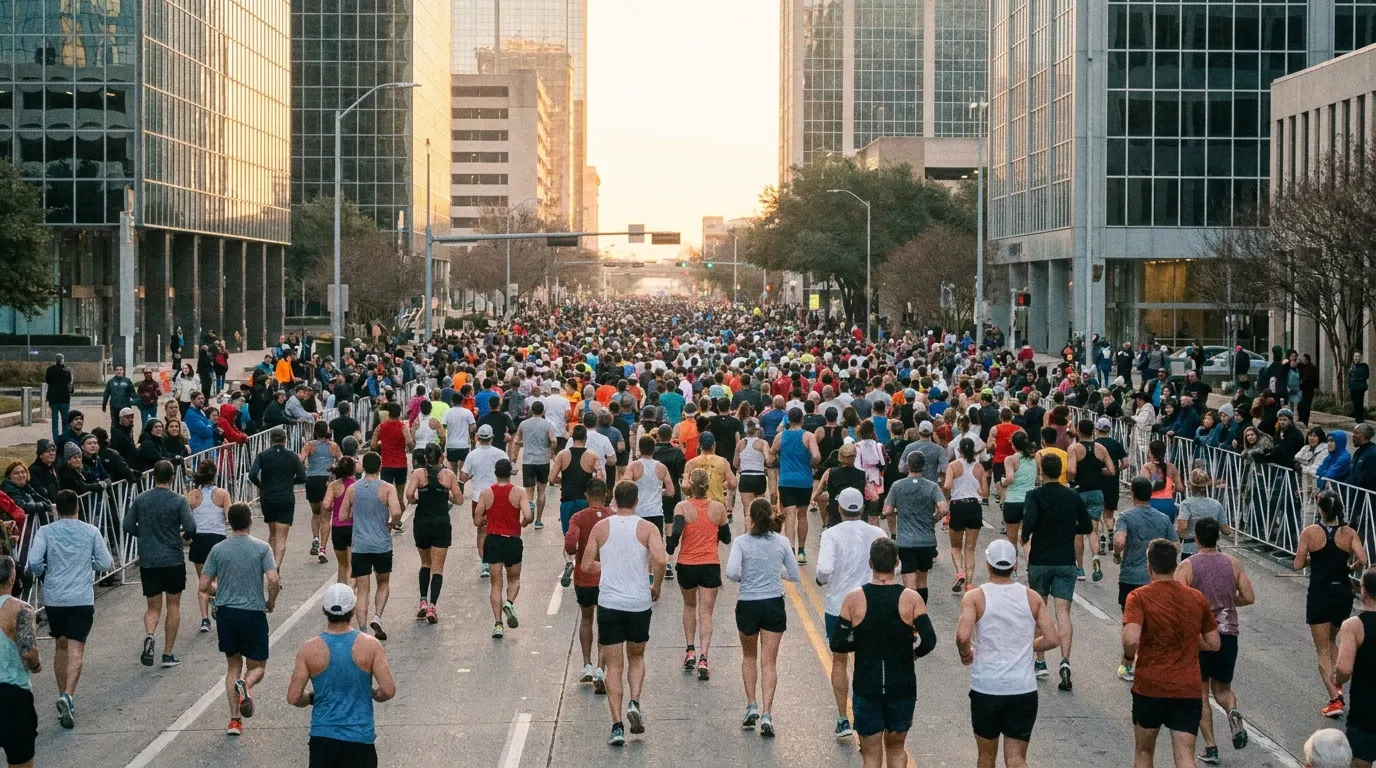
Texans who ran through the summer have already done this. The payoff comes when the first cool front arrives: the same heart rate suddenly buys a much faster pace. That is part of why the half marathon and marathon calendar fills up from November to February.
Is zone 2 really the answer?
Zone 2, easy running just below the first lactate threshold, has become a fitness trend, along with “slow jogging” at a pace you can hold a conversation at. In 2025, researchers Kristi Storoschuk, Andres Moran-MacDonald, Martin Gibala and Brendon Gurd reviewed the evidence in Sports Medicine. Their conclusion: current evidence “does not support Zone 2 training as the optimal intensity” for improving mitochondrial or fat-burning capacity. They also said higher intensities matter most for heart and metabolic health when training volume is low.
What that means for a runner with a job and 3 to 5 runs a week:
- Keep most runs easy. Easy running builds the aerobic base, keeps you healthy and lets you recover. The review questions zone 2 as the only or best intensity, not easy running itself.
- Add some quality. One or two harder sessions a week, like strides, tempo or intervals, matter more the less total time you run.
- In heat, go by effort, not a heart-rate cap. A conversational pace (the talk test) adjusts for the weather automatically. Zones set in cool weather will be off in August.
A Texas fall plan
- Early October: keep runs early, shaded and by feel. Expect your pace at a given heart rate to improve week by week as mornings cool.
- After the first real cold front: re-test your easy pace. Many runners find they had more fitness than their summer runs showed.
- November onward: race. There are 5Ks and 10Ks nearly every weekend, including Thanksgiving turkey trots in the November guide.
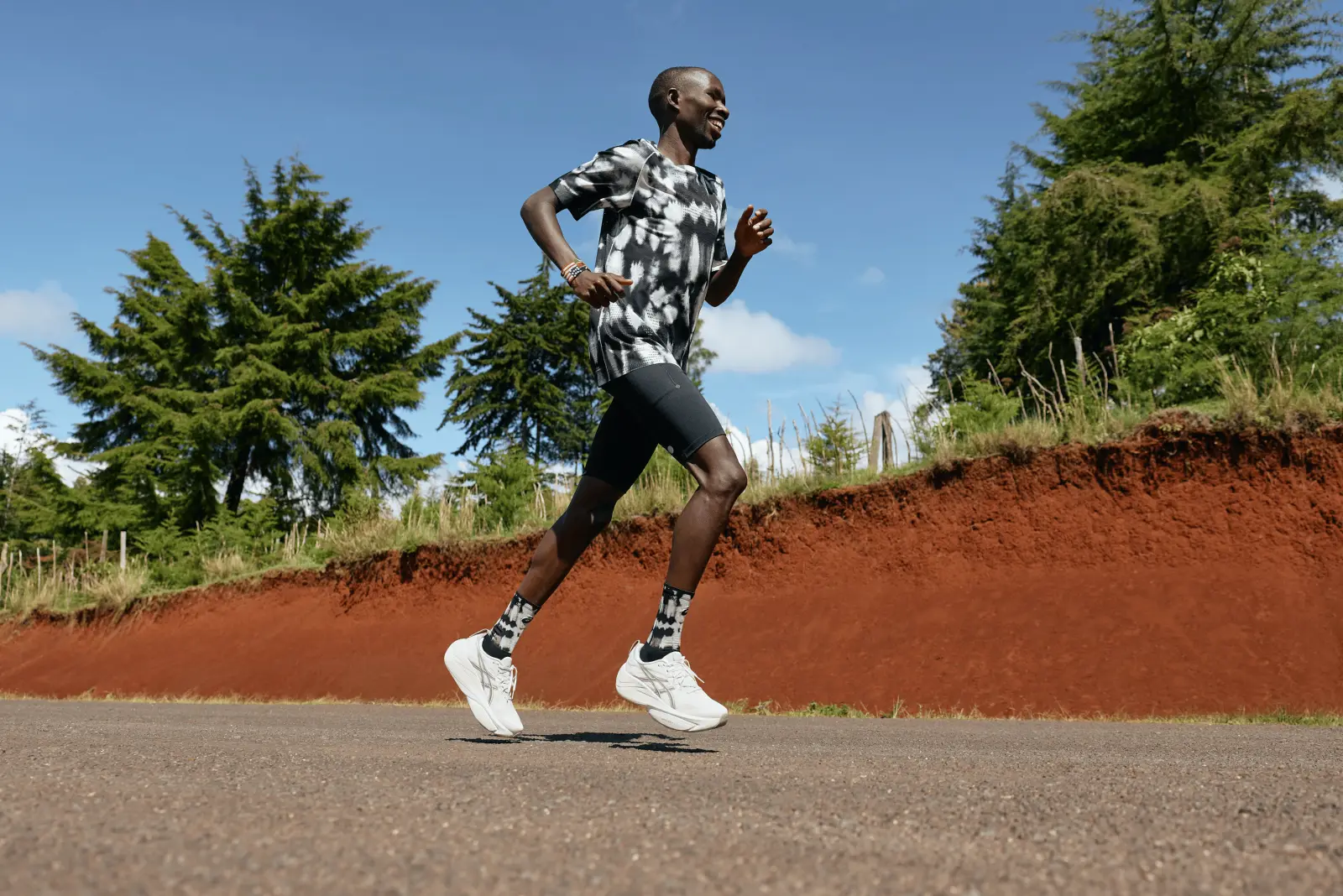
For places to run in the shade and general heat tips, see Running in Texas. If you want new shoes for slow days, ASICS is launching one built for exactly that; see our October 1 shoe roundup.
This article is general information, not medical advice. Heat illness is serious. Stop and get cool if you feel dizzy, confused or stop sweating, and talk to a doctor before starting a new training program.