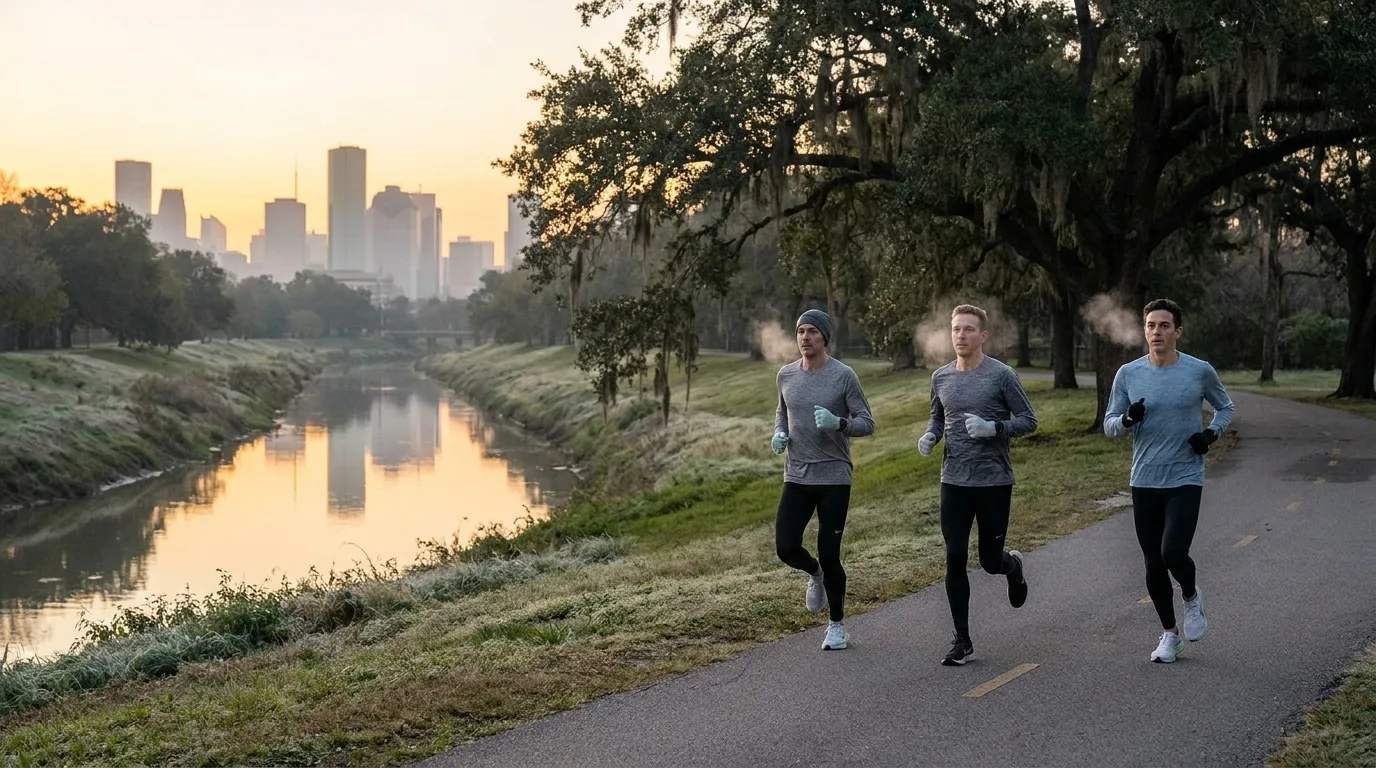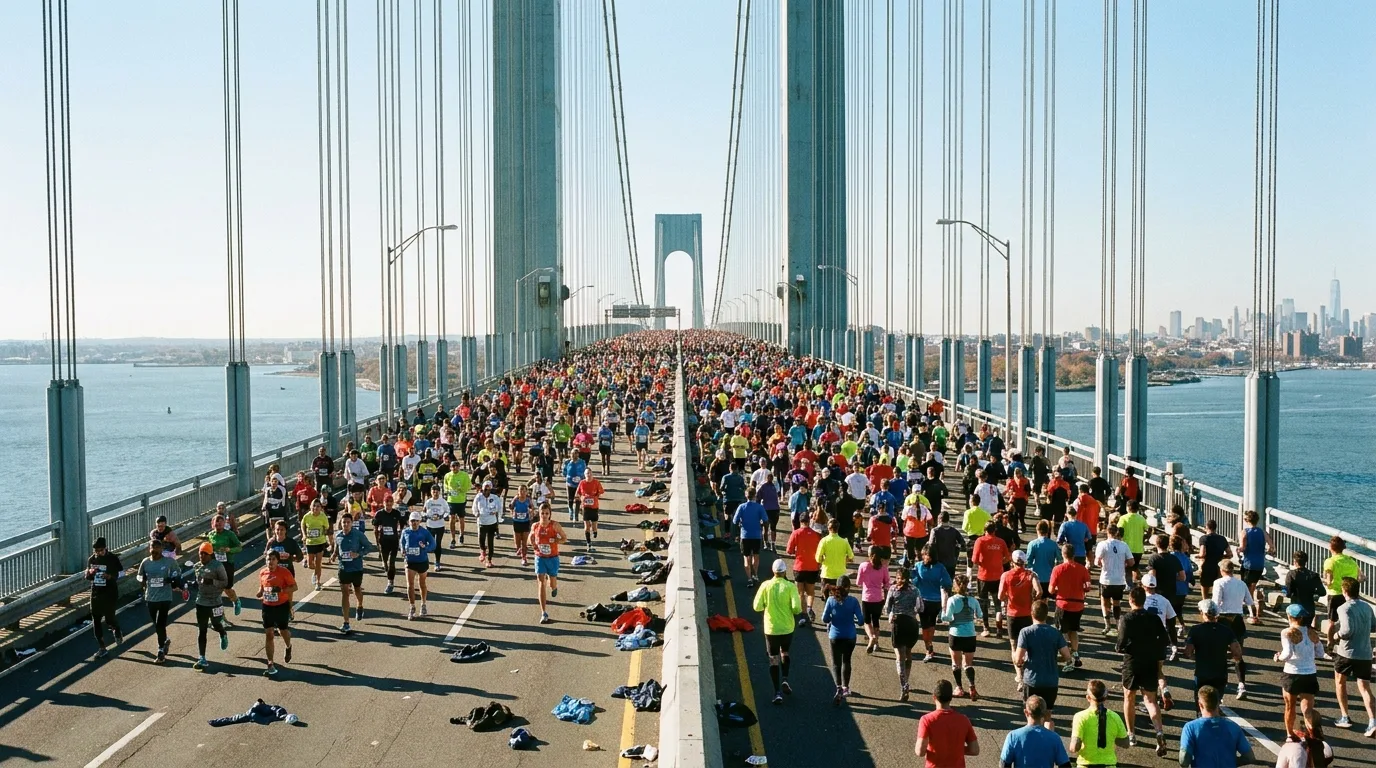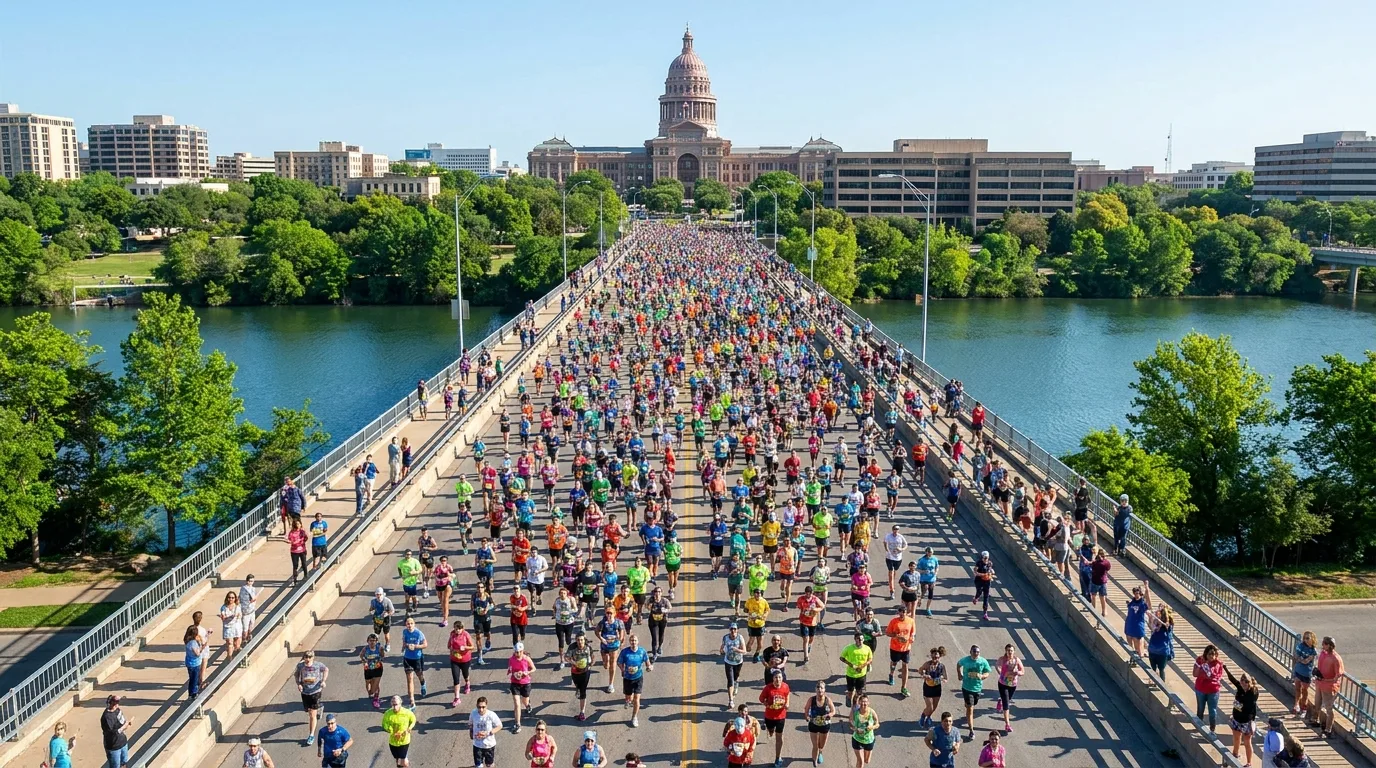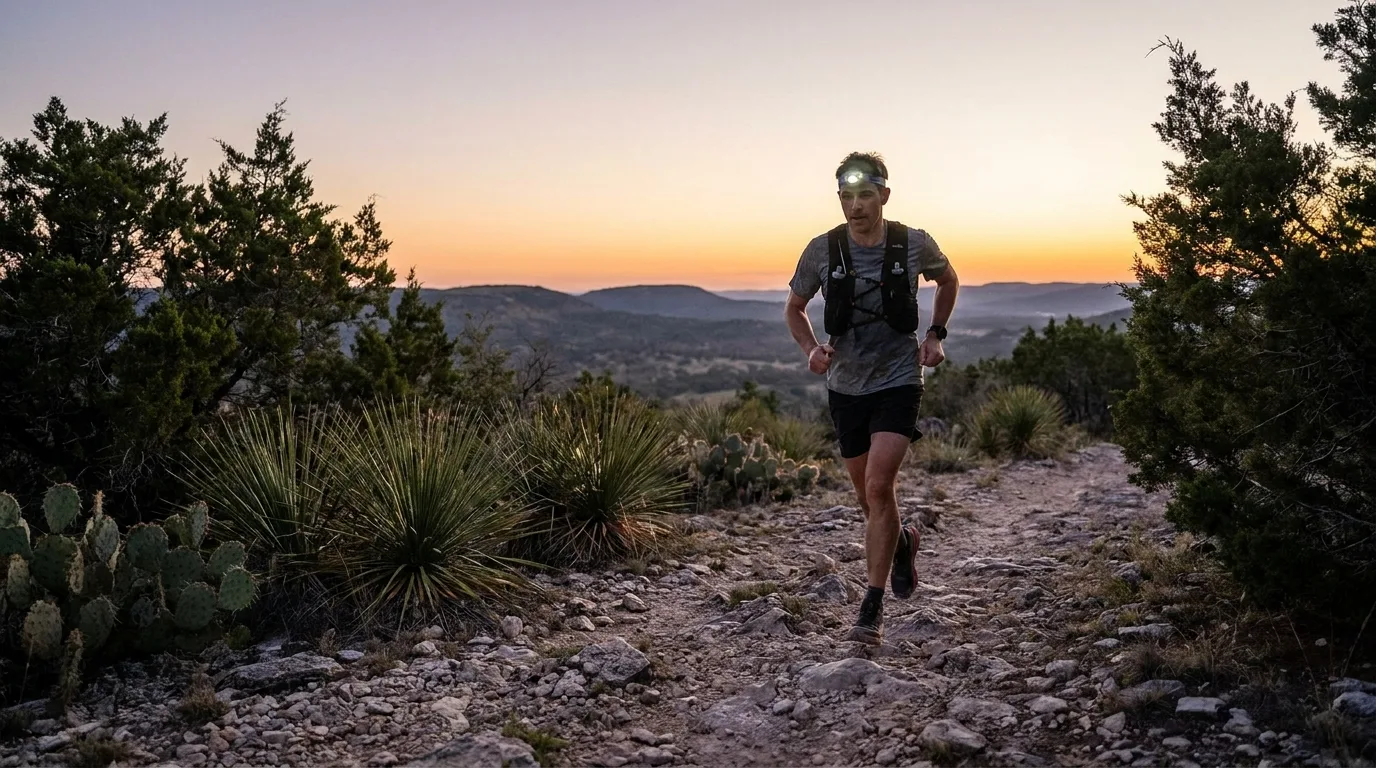
The short version: Texas ultra season runs from October to February. Cactus Rose (Oct. 23–25, Bandera) is the rugged, low-support one. Big Tex Backyard Ultra (Nov. 7, San Felipe) is last-runner-standing. Brazos Bend 100 (Dec. 5, Needville) is flat and fast. Bandera (Jan. 9–10) and Rocky Raccoon 100 (Feb. 6, Huntsville) follow. Brazos Bend, the Bandera 100K and Rocky Raccoon are Western States qualifiers, but this season's editions count for the 2028 lottery, not 2027.
The five big Texas ultras, at a glance
| Race | Date | Where | Ultra distances | Current fee (longest) |
|---|---|---|---|---|
| Cactus Rose | Oct. 23–25, 2026 | Hill Country State Natural Area, Bandera | 100 mi, 50 mi (plus 25 mi, 5 mi, rucks) | $235 (100 mi), rising to $245 on Sept. 30 |
| Big Tex Backyard Ultra | Nov. 7, 2026 | Stephen F. Austin State Park, San Felipe | Backyard (4.17-mile yards) | $140, rising to $150 on Oct. 19 |
| Brazos Bend 100 | Dec. 5, 2026 | Brazos Bend State Park, Needville | 100 mi, 100K (plus marathon, half) | $260 (100 mi) through Oct. 30, then $265 |
| Bandera | Jan. 9–10, 2027 | Hill Country State Natural Area, Bandera | 100K, 50K (plus 25K) | See RunSignup |
| Rocky Raccoon 100 | Feb. 6, 2027 | Huntsville State Park | 100 mi, 100K | See RunSignup |
Fees are RunSignup's price tiers as of Sept. 26, before processing fees. Every one of these races raises its price as race day gets closer. For every other Texas ultra, from 50Ks to 24-hour runs, see our full Texas ultramarathon calendar.
Western States: which Texas races count, and for which year
This is where Texas runners get tripped up. The 2027 Western States 100 is June 26–27, 2027. Its lottery takes applications Nov. 1–21, 2026, and the draw is Saturday, Dec. 5, 2026. That's the same morning the Brazos Bend 100 starts.
To enter that lottery, you need a finish in the 2027 qualifying window: Nov. 3, 2025 through Nov. 8, 2026. Texas's big winter ultras all fall after that window closes. Their 2026–27 editions count for the 2028 window (Nov. 9, 2026 to Nov. 7, 2027). Each race on the Western States list has its own finish cutoff:
- Brazos Bend 100: under 32 hours
- Bandera 100K: under 18 hours
- Rocky Raccoon 100: under 30 hours
- Dinosaur Valley 100K and 100-mile (Glen Rose): under 22 and 35 hours
Cactus Rose is not a Western States qualifier. None of Western States' six 2027 Golden Ticket races are in Texas.
Cactus Rose: the tough one
Tejas Trails built Cactus Rose to be hard. The course is a 25-mile loop through the Hill Country State Natural Area with about 2,500 feet of elevation change per lap. The organizer's RunSignup listing warns you'll need to handle your own needs on course. It skips the usual full aid-station spread on purpose, though medical staff are there. The race is capped at 500 runners across all distances. If you want a shirt, register by Sept. 29.
Big Tex Backyard Ultra: last runner standing
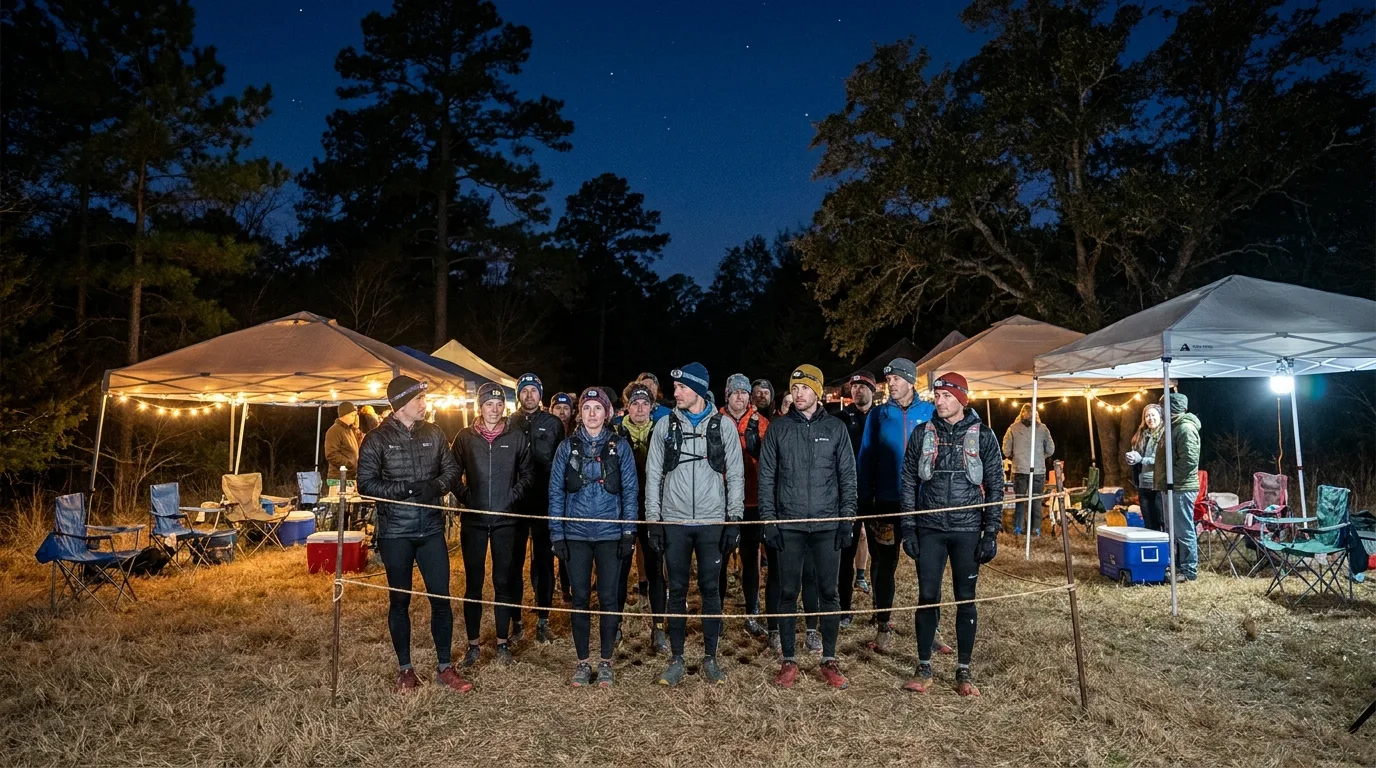
A backyard ultra has no finish line. Every runner starts a loop, or "yard," of about 4.17 miles at the top of each hour. Finish it and be back in the start corral before the next hour, or you're out. 24 yards is 100 miles. The last runner to complete a yard alone is the only finisher; everyone else is a DNF, however far they went.
Big Tex, now in its fourth year per the RunSignup listing, runs at Stephen F. Austin State Park in San Felipe on mostly flat, crushed-gravel trails. There's a rucking division too. Anyone who completes 24 yards gets a 100-mile buckle. The winner gets $1 for every mile they run, and second place gets $1 per yard. The listing calls 2026 a Bronze Ticket race on the road to Big's Backyard Ultra in Tennessee. For scale: the top mark on Big's official national-records table is 119 yards (Phil Gore, Australia, 2025). The U.S. record is 111 yards, shared by Harvey Lewis and Jon Noll.
More backyard-format races on the Texas calendar include the Big Bastrop Backyard Ultra (Oct. 10) and the Summit Backyard Ultra in Marble Falls (Nov. 21). See the backyard ultras in Texas list.
Brazos Bend 100: flat, fast, and full of gators
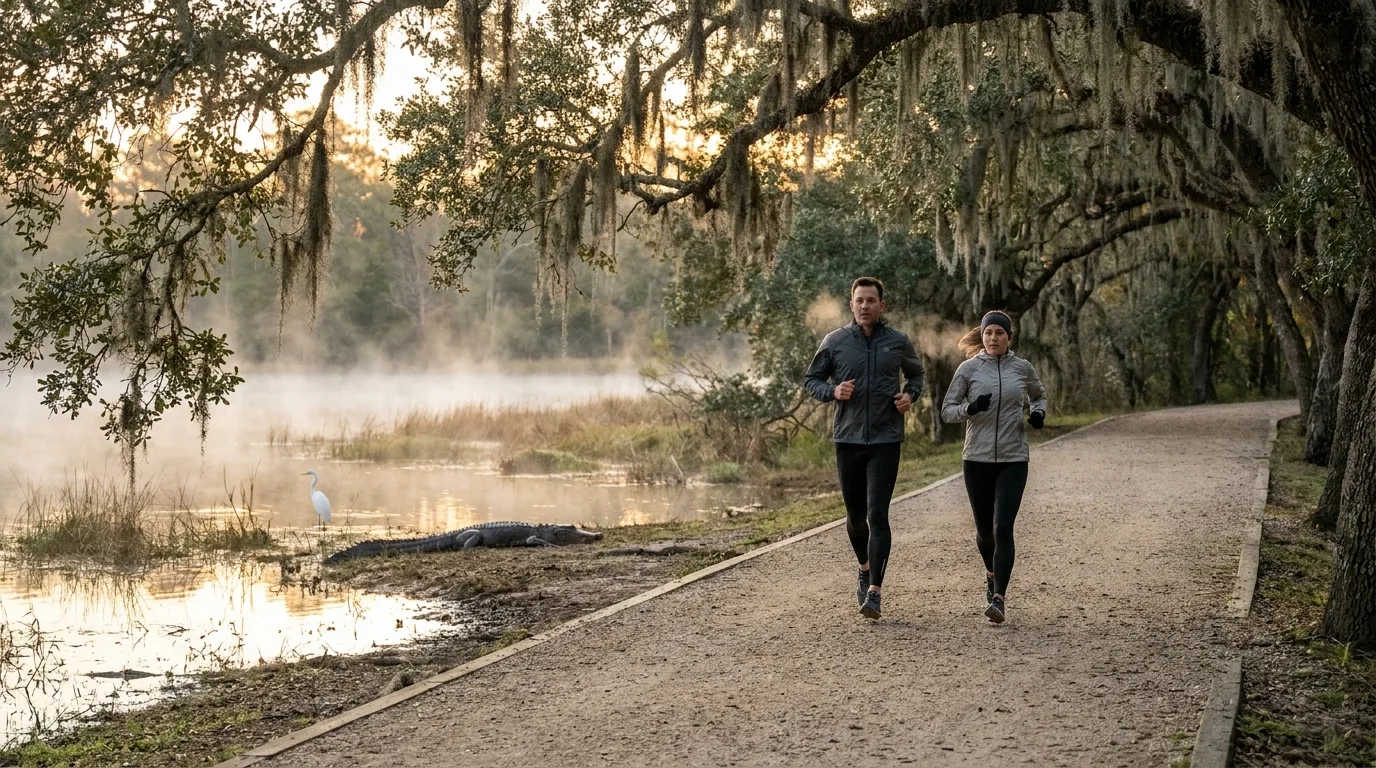
If your goal is a first 100 or a Western States qualifier, Brazos Bend is built for it. The course is a loop of about 16.7 miles, and the organizer calls it 99.9% flat, with a single 10-foot rise. The trails mix crushed rock, shaded dirt and smooth horse trails, and the organizer says most runners wear road shoes. Its RunSignup listing reports 119 Western States qualifiers in 2024 and 133 in 2025.
The park is known for its alligators. The organizer says there has never been an incident in the park's 50-year history. For all distances, the finish closes at 2 p.m. Sunday. As of Sept. 26, RunSignup showed about 40 spots left in each of the 100-mile and 100K.
Bandera and Rocky Raccoon: the winter classics
Bandera (Jan. 9–10, 2027) returns to the same Hill Country State Natural Area terrain as Cactus Rose, with a 100K, 50K and 25K. The 100K is the Western States qualifier. Rocky Raccoon 100 (Feb. 6, 2027) runs through the pines of Huntsville State Park. The 100-miler is five 20-mile loops with about 1,250 feet of gain per loop, and the 100K is one 2-mile lap plus three 20-mile loops. Both have registration open on RunSignup.
Getting ready for a Texas ultra
- Train by time, not pace. Rocky Hill Country miles are slow. Build your long runs in hours, and practice walking the climbs. Our run-walk guide shows how.
- Heat is still the risk in October. A warm afternoon at Cactus Rose can feel like summer. Read why your pace drops in Texas heat and slow down early.
- Check your watch battery. For a 100-miler, GPS battery life is the spec that matters. See our fēnix 9 vs. Apple Watch Ultra 4 comparison.
- Get fitted for trail shoes. Rocky, technical courses like Bandera need grip; flat Brazos Bend doesn't. A Texas running store can help.